Caput III – Augustinus, Vir In Amore

This chapter reflects on Augustine’s idea of love: how desire is rightly ordered to God, how friendship is purified, and how charity becomes the measure of a life well lived. It situates Augustine’s insights within late antiquity and their lasting influence.
Caput II – Ambrosius Aurelium Baptizet

This chapter examines Ambrose’s baptism of Augustine—an emblematic late-antique conversion. We explore why the rite mattered for Roman civic identity, episcopal authority, and Augustine’s emerging role in the Church.
Caput I – Aurelius Augustinus, Civis Romanus Vir Sanctusque

This chapter examines Aurelius—civis Romanus, vir sanctusque—to trace how Roman ideals of citizenship intersected with emerging models of sanctity. We look at identity, duty, and moral authority from the classical world into late antiquity.
Caput VI. Lex Aquilia and Iniuria

This chapter examines iniuria – wrongful harm under the Lex Aquilia – tracing how Roman jurists weighed intent and fault, calculated loss, and prescribed remedies that became the backbone of later tort doctrine and personal protections.
Caput V. Lex Aquilia and Damnum

This instalment explores damnum under the Lex Aquilia – how Roman jurists measured loss, assessed fault, and awarded compensation, forging principles that underpin today’s law of damages.
Caput IV. Lex Aquilia and the Duty of Care

In this chapter, we explore how the Lex Aquilia codified the Roman duty of care—defining negligence, imposing legal obligations to prevent harm, and laying the groundwork for modern liability law.
Caput III – Vitruvius and Columella

In this installment, we examine Marcus Vitruvius Pollio’s guide to building and Columella’s “De Re Rustica,” revealing the dual legacy of Roman architecture and agriculture.
Caput II – Vitruvian Man

The Vitruvian Man, Leonardo da Vinci’s iconic study of ideal human proportions, bridges art, mathematics, and anatomy—revealing the geometric harmony at the heart of Renaissance thought.
Caput I – Marcus Vitruvius Pollio
Marcus Vitruvius Pollio was a Roman architect and engineer whose treatise De Architectura (Ten Books on Architecture) became a foundation of Western architectural theory. Written under Augustus, it details ancient building practices and design principles—such as durability, utility, and beauty—that shaped Renaissance architecture and beyond.
Caput III. Lex Aquilia and Personal Liability
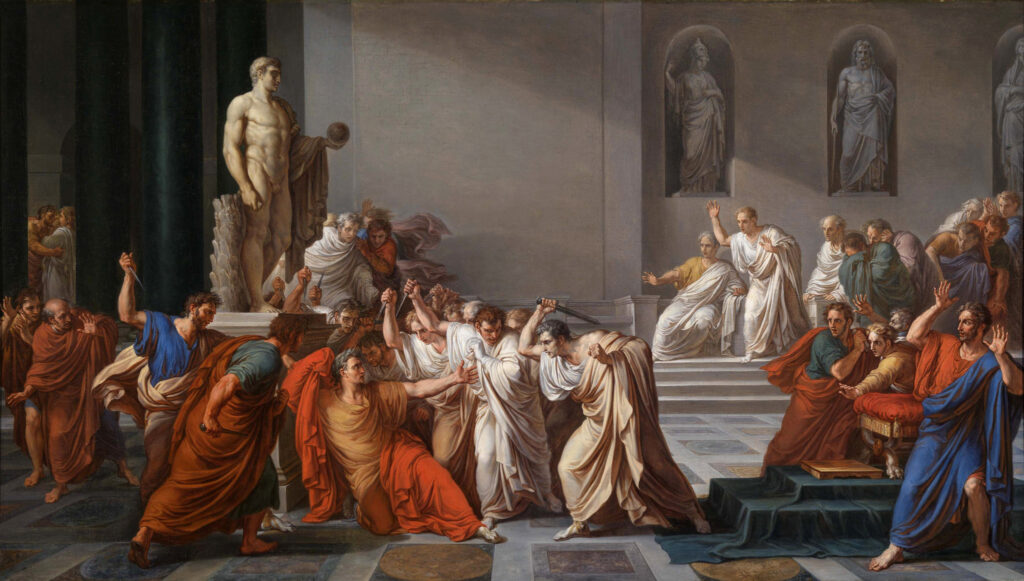
The Lex Aquilia established key principles of personal liability in Roman law, defining legal responsibility for damages. Explore its historical impact and lasting influence.