Caput II – Vitruvian Man

The Vitruvian Man, Leonardo da Vinci’s iconic study of ideal human proportions, bridges art, mathematics, and anatomy—revealing the geometric harmony at the heart of Renaissance thought.
Caput I – Marcus Vitruvius Pollio
Marcus Vitruvius Pollio was a Roman architect and engineer whose treatise De Architectura (Ten Books on Architecture) became a foundation of Western architectural theory. Written under Augustus, it details ancient building practices and design principles—such as durability, utility, and beauty—that shaped Renaissance architecture and beyond.
Caput III. Lex Aquilia and Personal Liability
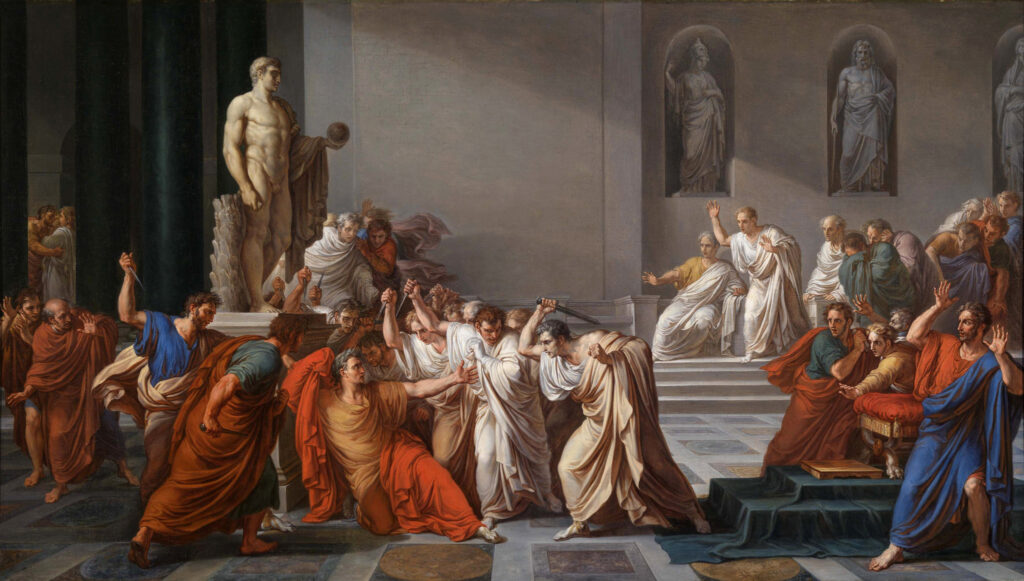
The Lex Aquilia established key principles of personal liability in Roman law, defining legal responsibility for damages. Explore its historical impact and lasting influence.
Caput II. Lex Aquilia and Property Law
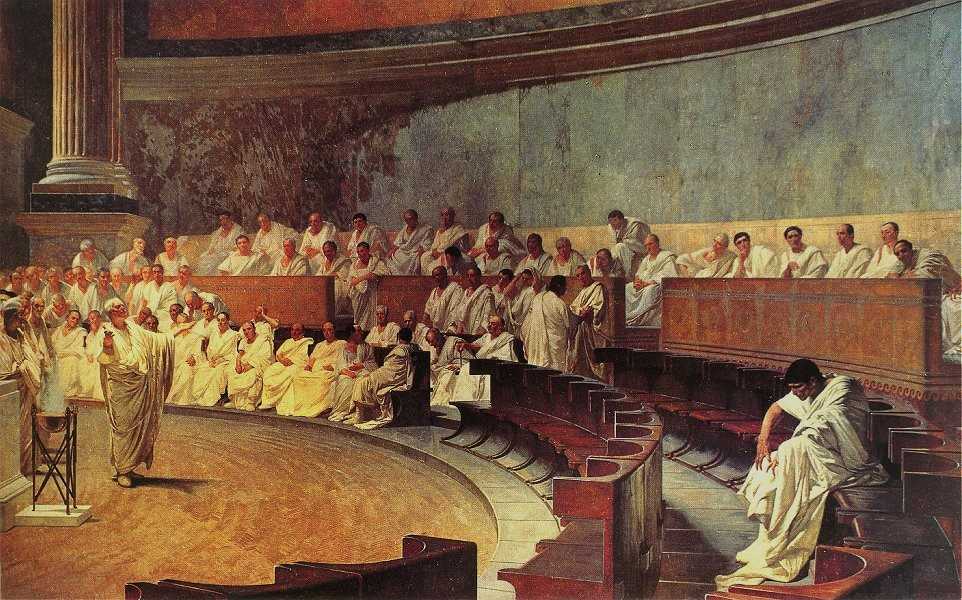
The Lex Aquilia played a vital role in shaping property law in ancient Rome, establishing rules for liability and compensation. Learn about its historical significance and legacy.
Caput I. Lex Aquilia and Statute Law
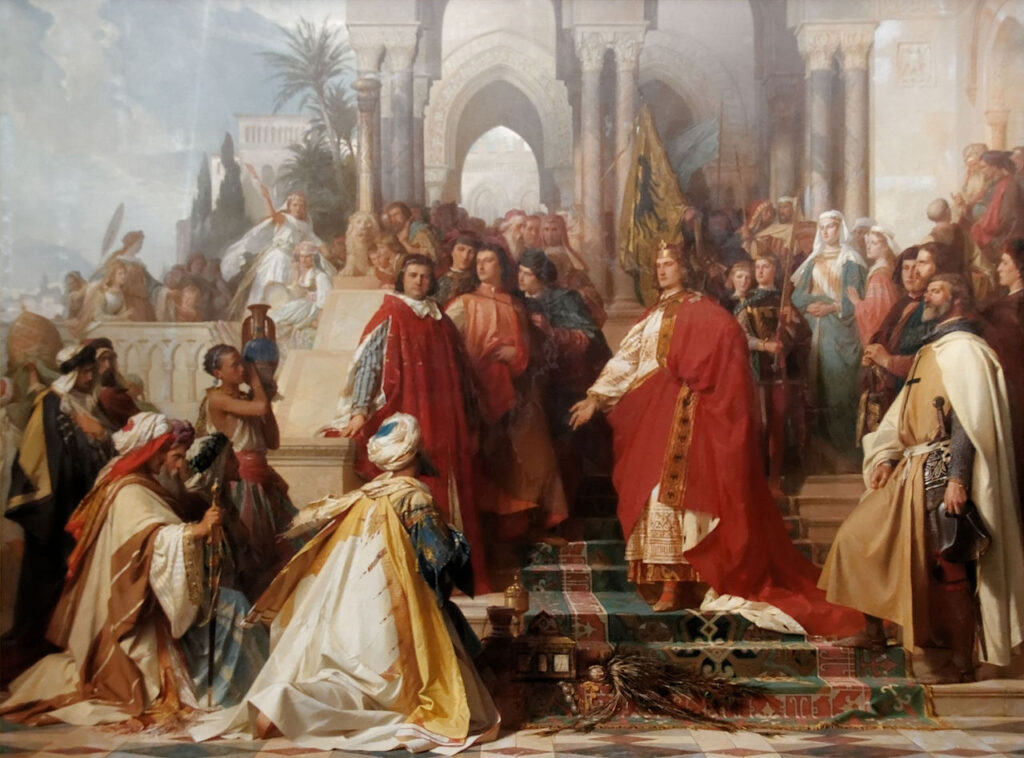
The Lex Aquilia, pivotal in Roman statute law, set the foundation for resolving property damage disputes and compensation claims. Learn about its enduring legacy in legal history.
Novum Testamentum – Vir Sanctus Lucas. Caput 2.1-20
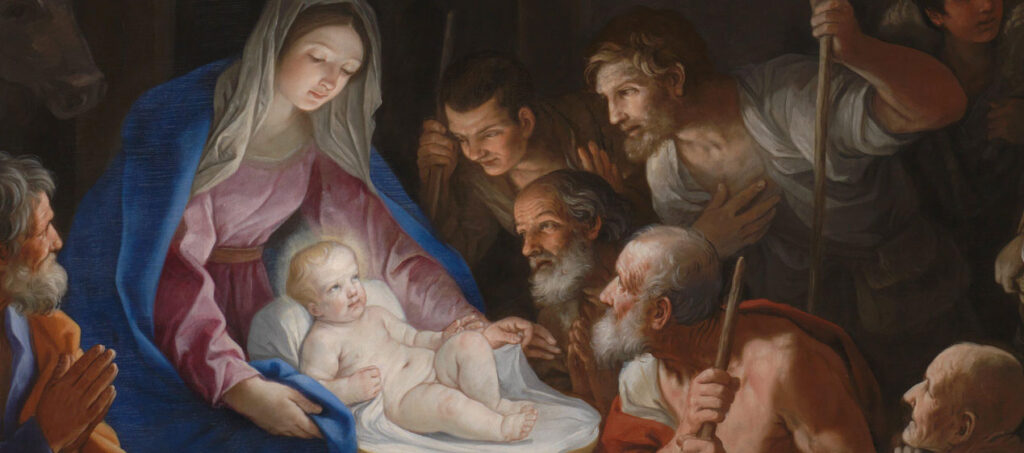
The Gospel of Luke recounts the Nativity story, from Caesar Augustus’ decree to the angelic message announcing Jesus’ birth to shepherds. Read this enduring account of faith and hope.
Caput II – Historia Ecclesiastica Gentis Anglorum
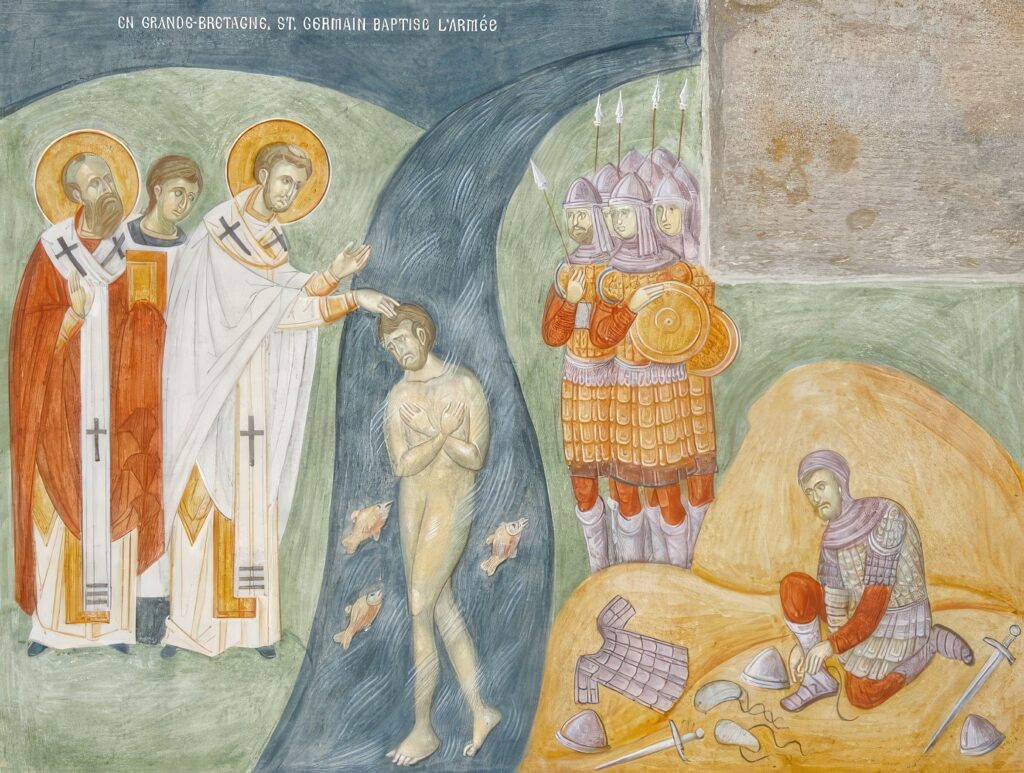
This blog delves into early Christian influence in Roman Britain, highlighting significant events like King Lucius’ request for baptism and Bede’s accounts of Augustine’s mission. Uncover the rich history of Christianity’s spread amidst shifting empires and tribal conflicts.
Caput I – Historia Ecclesiastica Gentis Anglorum
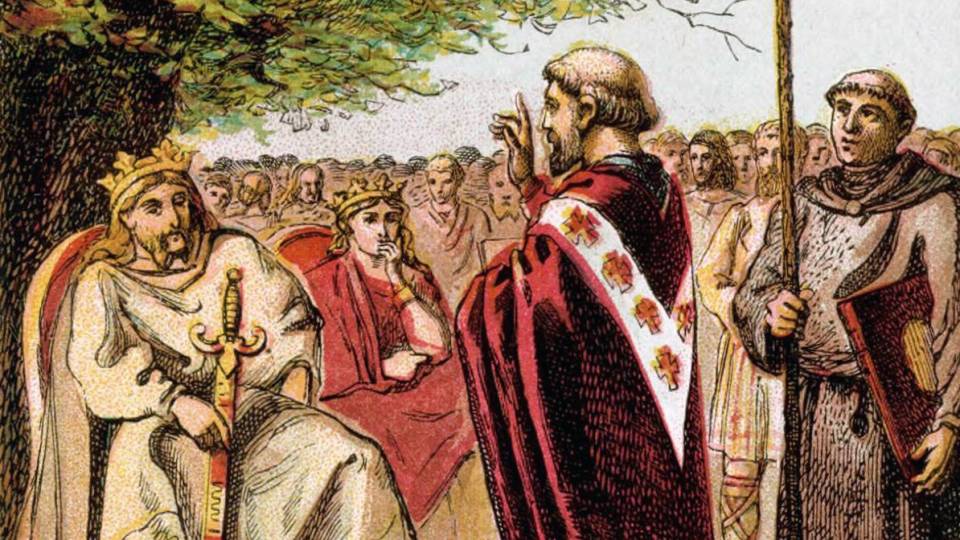
This blog covers the early Christianization of the Saxon tribes in Britain, highlighting Pope Gregory’s mission and Venerable Bede’s recount of Augustine’s efforts in the conversion. Read more on how Britain transitioned from paganism to Christianity.
Caput III. Newton and in universum
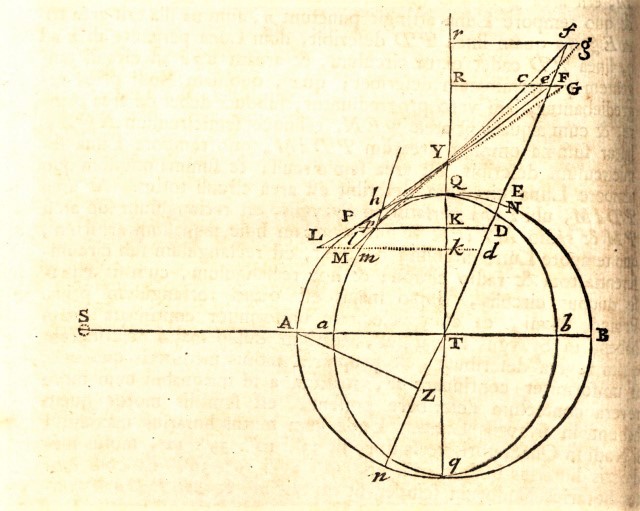
Isaac Newton’s profound insights into calculus, optics, and gravitation forever changed our understanding of the universe. This blog explores how Newton’s theories and mathematical rigor laid the foundation for modern science, highlighting his pivotal role in the evolution of physics and astronomy.
Caput II. Newton and vis centripeta
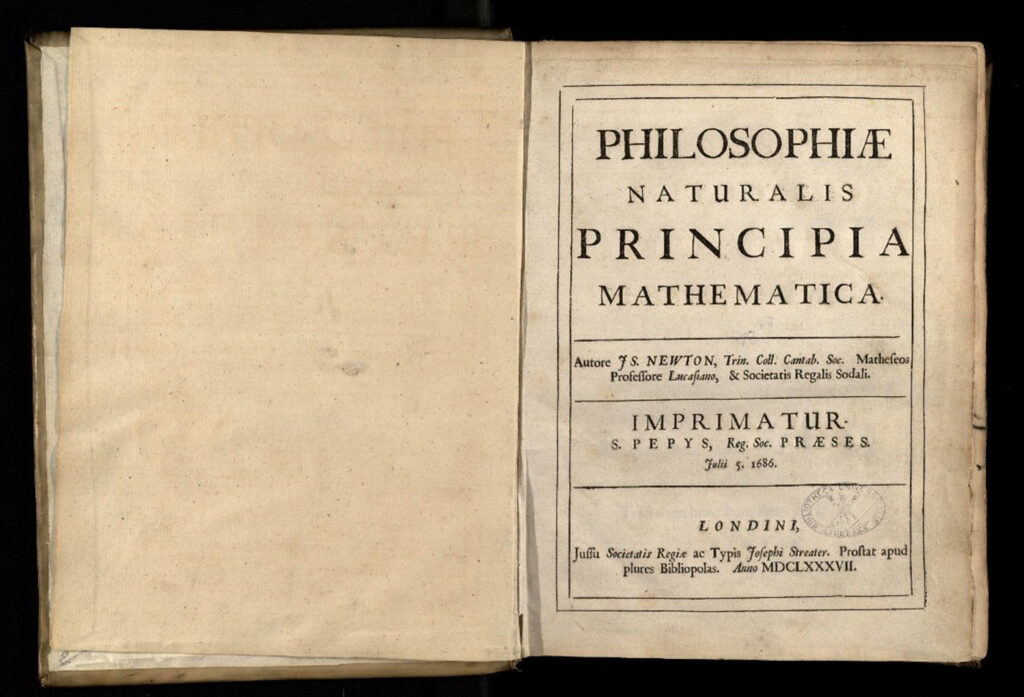
This blog delves into the evolution of the concept of centripetal force and its pivotal role in the history of mathematics and astronomy. It explores Newton’s foundational ideas, alongside the contributions of influential figures such as John Wallis, Christiaan Huygens, Johannes Kepler, Edmund Halley, Gottfried Leibniz, and René Descartes. Discover how their groundbreaking work on motion, gravity, and celestial mechanics shaped our understanding of the physical world.